

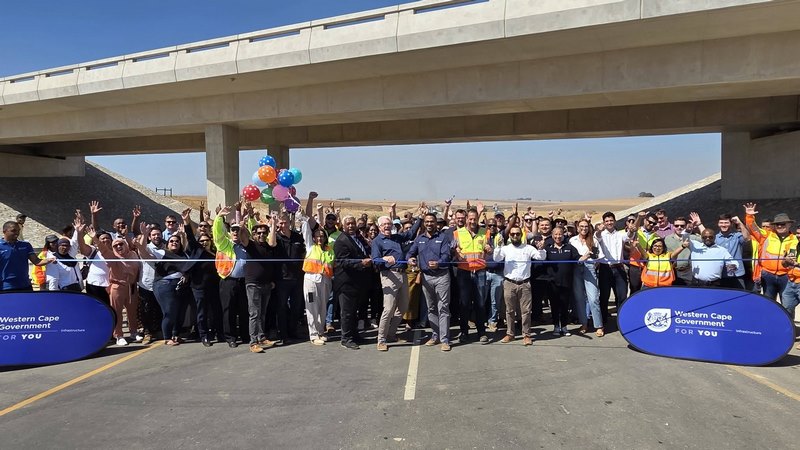

The Swartland region, long considered a cornerstone of the Western Cape’s agricultural output, received a significant logistical boost this week. On 31 March 2026, Premier Alan Winde and Infrastructure Minister Tertuis Simmers officially inaugurated the Malmesbury Bypass—a 6.7km “greenfield” project representing a R693-million investment. While the road is a marvel of modern engineering, its true value lies in its role as a high-capacity artery for the region’s farmers, agri-processors, and exporters.
Streamlining the Farm-to-Market Supply Chain
For the agricultural sector, time is a perishable commodity. The new bypass provides a direct link from the Hopefield Interchange on the N7 to the R45 (Wellington) and R46 (Riebeek Kasteel) intersection. By allowing heavy freight to circumvent the congested Malmesbury town center, the project significantly reduces travel times for trucks transporting grain, grapes, and livestock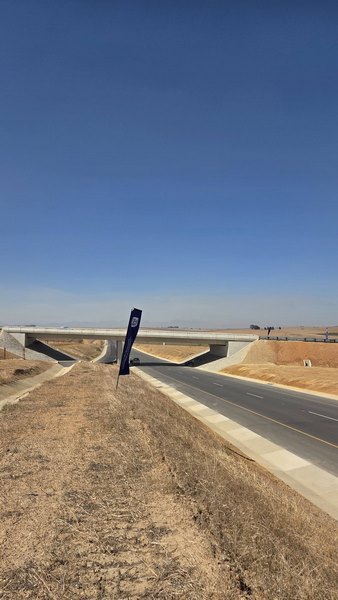
This “greenfield” route eliminates the stop-and-start nature of urban driving, leading to lower fuel consumption and reduced wear and tear on heavy vehicles. For local producers, these marginal gains in logistics translate into more competitive pricing in both domestic and international markets.
Enhancing Safety and Freight Reliability
The project is more than just a strip of asphalt; it includes five new bridges and a sophisticated grade-separated interchange at the R45/R46 junction. These upgrades are designed to handle the high-volume freight demands of the National Infrastructure Plan 2050 (Strategic Integrated Project 5).
For agricultural transporters, the bypass offers a safer, more predictable environment. By separating heavy agricultural machinery and freight trucks from local passenger traffic, the risk of accidents is mitigated. This reliability is crucial for “just-in-time” delivery schedules, particularly for the delicate fruit and wine exports heading toward the Port of Cape Town or the growing industrial hub at Saldanha Bay.
A Gateway to the Saldanha-Langebaan Corridor
Minister Tertuis Simmers emphasized that this project is a critical component of a larger freight route linking the Saldanha Bay area to the Western Cape’s major inter-regional routes. This creates a strategic advantage for Swartland farmers by opening up more efficient access to the Saldanha Industrial Development Zone (IDZ). As the province pushes toward a “trillion-rand economy,” the ability to move bulk agricultural goods between the hinterland and coastal export points becomes a primary driver of growth.
Fueling Rural Economic Development
Beyond the immediate logistical benefits, the bypass has already stimulated the local economy. The construction phase supported 39 local enterprises and 15 emerging contractors, injecting capital directly into the Swartland community.
As Premier Alan Winde noted, well-maintained infrastructure is the “backbone of a growing economy.” For the agricultural worker and the farm owner alike, the Malmesbury Bypass represents a commitment to rural stability. Improved connectivity ensures that the Swartland remains an attractive destination for agri-investment, ultimately securing existing jobs and creating new opportunities in the secondary agricultural sector.
In an era where logistical efficiency defines success, the Malmesbury Bypass stands as a vital tool for the Western Cape’s farming community, ensuring that the fruits of the Swartland reach the world faster and more safely than ever before.